āđāļŠāļĢāđŒ

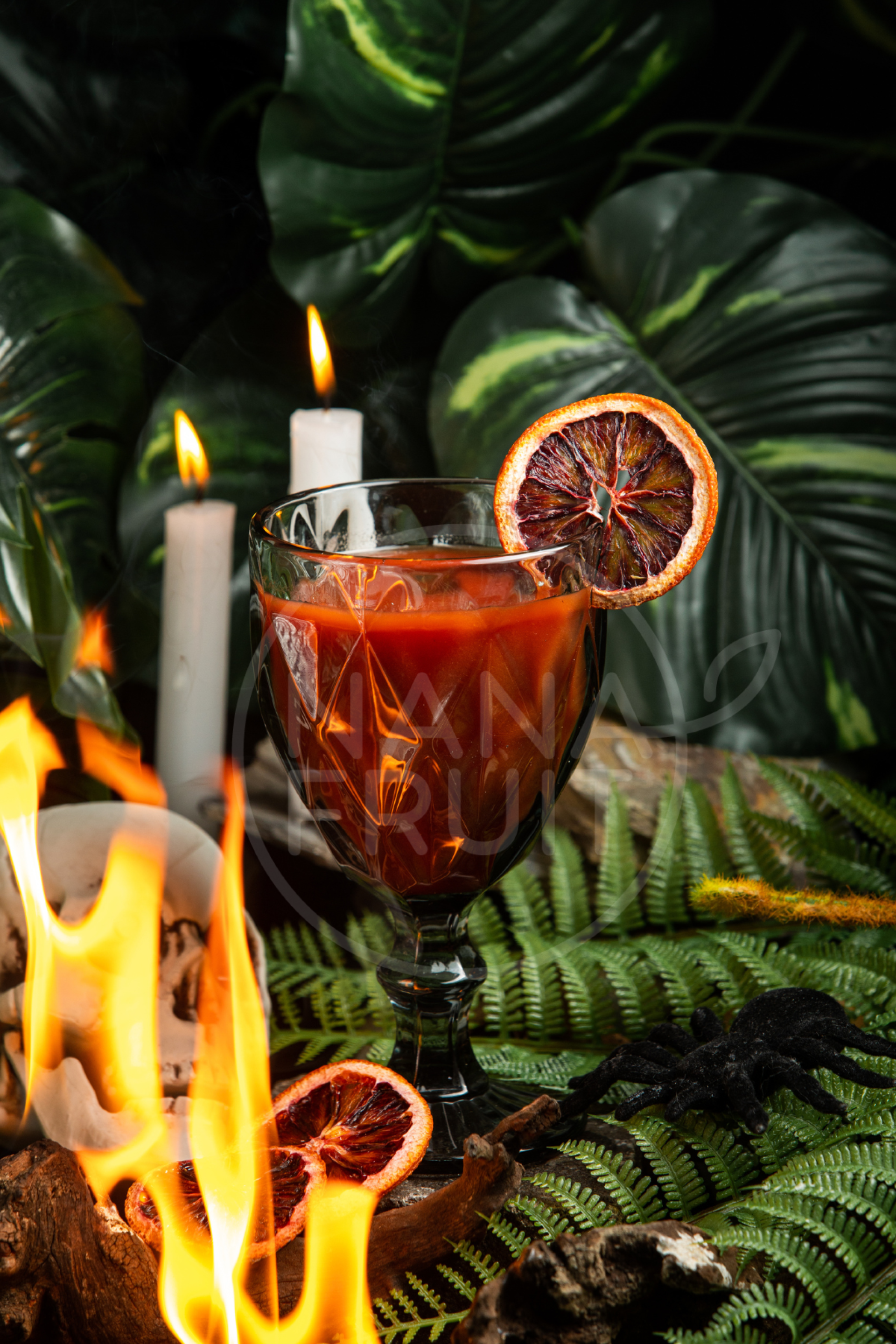
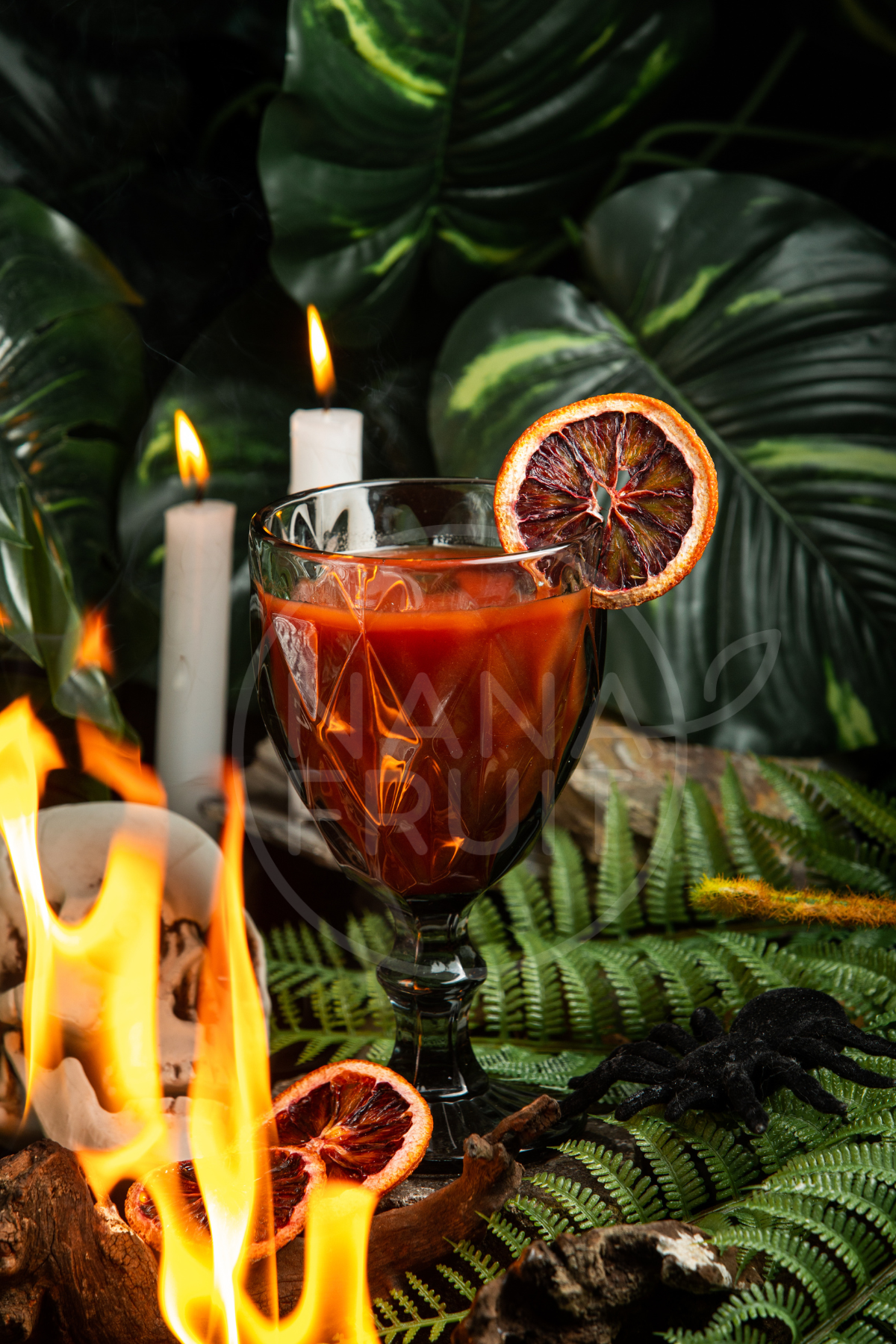
Halloween drink Ideas
āļ­āļąāļžāđ€āļ”āļ—āļĨāđˆāļēāļŠāļļāļ”: 25 āļ•.āļ„. 2024
3322 āļœāļđāđ‰āđ€āļ‚āđ‰āļēāļŠāļĄ

Ingredients:
1 cup tomato juice (choose your favorite brand or homemade)
1 tablespoon lemon juice
1 teaspoon Worcestershire sauce (optional for a savory kick)
Salt and pepper to taste
Dried blood orange slices for garnish
Ice cubes


Instructions:
Prepare the Glass:
Start by preparing your serving glass. Fill it with ice cubes to keep the drink chilled.
If desired, rim the glass with salt or a mix of salt and sugar for an added festive touch.
Mix the Base:
In a mixing bowl or shaker, combine the tomato juice, lemon juice, Worcestershire sauce (if using), and a pinch of salt and pepper.
Shake or stir gently to combine all the ingredients thoroughly.
Pour the Drink:

Pour the mixed drink over the ice in your prepared glass.
Garnish:
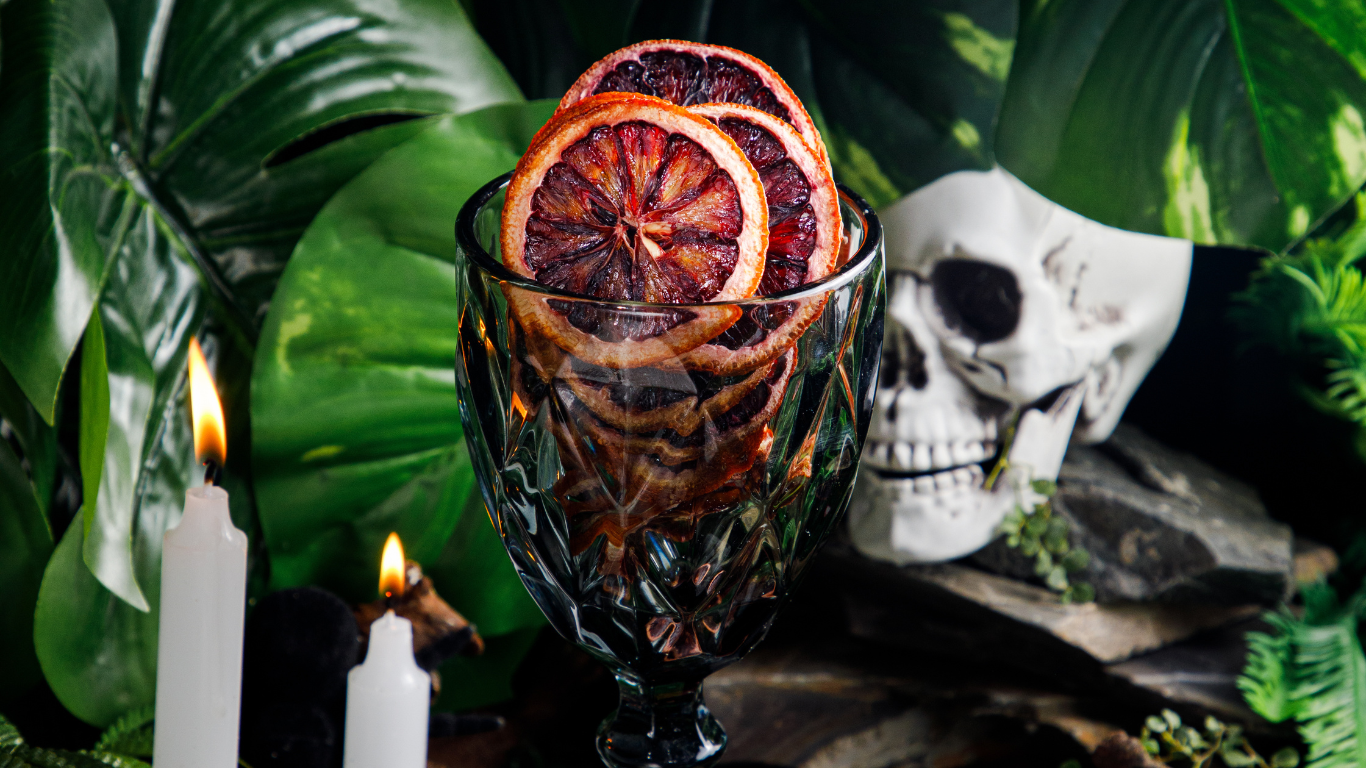
Decorate the drink with dried blood orange slices, either perched on the rim of the glass or floating atop the drink.
Serve:
Serve the mocktail immediately to enjoy its refreshing taste and spooky appearance.
Presentation Tips:
Use a clear glass to showcase the vibrant red color of the tomato juice and the striking hue of the blood orange.
For a more dramatic effect, consider adding a few drops of hot sauce to create a ghostly swirl before serving.

Fun Fact:
Tomato juice isnt just a delicious base for mocktails; its rich in vitamins and antioxidants, making this drink a refreshing and healthful option!

Creating the Atmosphere:
To enhance the Halloween experience, consider decorating your party table with thematic decorations such as rubber spiders, pumpkins, and LED lights to make the blood orange tomato mocktail even more eye-catching.

By preparing this spooky blood orange tomato mocktail for your Halloween gathering, youll provide your guests with a delicious drink that embodies the festive spirit while keeping it healthy. Enjoy the celebration!


āļšāļ—āļ„āļ§āļēāļĄāļ—āļĩāđˆāđ€āļāļĩāđˆāļĒāļ§āļ‚āđ‰āļ­āļ‡
āļŠāđ‰āļĄāđ€āļĨāļ·āļ­āļ”
āļŠāļēāļĢ Anthocyanin āļĄāļąāļ™āđ€āļ›āđ‡āļ™āļŠāļēāļĢāđ€āļ„āļĄāļĩāļ•āļēāļĄāļ˜āļĢāļĢāļĄāļŠāļēāļ•āļī āļĄāļĩāļ­āļĒāļđāđˆāđƒāļ™āļœāļĨāđ„āļĄāđ‰āđāļĨāļ°āļœāļąāļāļŠāļĩāđāļ”āļ‡āļĄāđˆāļ§āļ‡āļŦāļĨāļēāļĒāļŠāļ™āļīāļ” āđāļĨāļ°āđƒāļ™āļŠāđ‰āļĄāđ€āļĨāļ·āļ­āļ” āļĄāļąāļ™āđ€āļ›āđ‡āļ™āļŠāļēāļĢāļ—āļĩāđˆāļ—āļģāđƒāļŦāđ‰āļŠāļĩāđāļ”āļ‡āļ™āļąāđ‰āļ™āļ›āļĢāļēāļāļāđāļĨāļ°āđ€āļ›āđ‡āļ™āļˆāļļāļ”āļ‚āļēāļĒāļŠāļģāļ„āļąāļ āļˆāļ°āļ§āđˆāļēāđ„āļ›āđāļĨāđ‰āļ§ āļ–āđ‰āļēāļ„āļļāļ“āđ€āļ‚āđ‰āļēāđƒāļˆāļŠāļēāļĢāļ•āļąāļ§āļ™āļĩāđ‰ āļ„āļļāļ“āļāđ‡āđ€āļ‚āđ‰āļēāđƒāļˆ â€œāļ„āļļāļ“āļ āļēāļžâ€ āļ‚āļ­āļ‡āļŠāđ‰āļĄāđ€āļĨāļ·āļ­āļ”āļĄāļēāļāļ‚āļķāđ‰āļ™ āđ€āļ›āđ‡āļ™āļ•āļąāļ§āļŠāđˆāļ§āļĒāđƒāļŦāđ‰āđ€āļĨāļ·āļ­āļāļŠāļĄ āđ€āļĨāļ·āļ­āļāļ‹āļ·āđ‰āļ­ āļŦāļĢāļ·āļ­āđāļĄāđ‰āđāļ•āđˆāļ­āļ­āļāđāļšāļšāļœāļĨāļīāļ•āļ āļąāļ“āļ‘āđŒāļœāļĨāđ„āļĄāđ‰āđāļ›āļĢāļĢāļđāļ›āđ„āļ”āđ‰āļ­āļĒāđˆāļēāļ‡āļŠāđ‰āļĄāđ€āļĨāļ·āļ­āļ”āļ­āļšāđāļŦāđ‰āļ‡āļāđ‡āļŠāļĢāđ‰āļēāļ‡āļĄāļđāļĨāļ„āđˆāļēāđ„āļ”āđ‰āđ€āļžāļīāđˆāļĄāļ‚āļķāđ‰āļ™āđ€āļĨāļĒāļ„āđˆāļ°
9 āļ•.āļ„. 2025
āļŠāļąāļšāļ›āļ°āļĢāļ”āļ­āļšāđāļŦāđ‰āļ‡
āļ„āđ‰āļ™āļžāļšāļžāļĨāļąāļ‡āļˆāļēāļāļŠāļąāļšāļ›āļ°āļĢāļ”āđāļĨāļ°āđ€āļ­āļ™āđ„āļ‹āļĄāđŒāđ‚āļšāļĢāļĄāļĩāđ€āļĨāļ™ āđ€āļŠāļĢāļīāļĄāļāļēāļĢāļĒāđˆāļ­āļĒ āļĨāļ”āļāļēāļĢāļ­āļąāļāđ€āļŠāļš āļžāļĢāđ‰āļ­āļĄāļ›āļĢāļ°āđ‚āļĒāļŠāļ™āđŒāļˆāļēāļāļŠāļąāļšāļ›āļ°āļĢāļ”āļ­āļšāđāļŦāđ‰āļ‡āļˆāļēāļāđāļšāļĢāļ™āļ”āđŒ Nanafruit āđ„āļĄāđˆāđ€āļ•āļīāļĄāļ™āđ‰āļģāļ•āļēāļĨ
15 āļŠ.āļ„. 2025
Dried fruit garnish
āđƒāļ™āđ‚āļĨāļāļ‚āļ­āļ‡āļ­āļēāļŦāļēāļĢāđāļĨāļ°āđ€āļ„āļĢāļ·āđˆāļ­āļ‡āļ”āļ·āđˆāļĄāļĢāļ°āļ”āļąāļšāļĄāļ·āļ­āļ­āļēāļŠāļĩāļž āļāļēāļĢāđ€āļĨāļ·āļ­āļ Garnish āđ„āļĄāđˆāđ„āļ”āđ‰āļ­āļēāļĻāļąāļĒāđāļ„āđˆāļ„āļ§āļēāļĄāļŠāļ§āļĒāļ‡āļēāļĄ āđāļ•āđˆāļĒāļķāļ”āļŦāļĨāļąāļāļ—āļĩāđˆāđ€āļĢāļĩāļĒāļāļ§āđˆāļē Flavor Pairing āļĻāļēāļŠāļ•āļĢāđŒāļ‚āļ­āļ‡āļāļēāļĢāļˆāļąāļšāļ„āļđāđˆāļĢāļŠāļŠāļēāļ•āļī āļĻāļēāļŠāļ•āļĢāđŒāļ—āļĩāđˆāļŠāđˆāļ§āļĒāđƒāļŦāđ‰āļ—āļļāļāļ­āļ‡āļ„āđŒāļ›āļĢāļ°āļāļ­āļšāđƒāļ™āđāļāđ‰āļ§āļŦāļĢāļ·āļ­āļˆāļēāļ™ āđ€āļ‚āđ‰āļēāļāļąāļ™āļ­āļĒāđˆāļēāļ‡āļĨāļ‡āļ•āļąāļ§
24 āļ˜.āļ„. 2025